
Why Japanese Imported Cars Are a Great Choice for Europe
Low Mileage, Excellent Condition, and Left-Hand Drive Models
- Japanese imported cars have earned a strong reputation across Europe for their exceptional condition, low mileage, and long-term reliability. Vehicles sourced directly from Japan are often significantly better maintained than their European counterparts, making them an increasingly popular choice for buyers looking for premium quality and value.
- Below, we explain why cars from Japan are so well preserved, why low mileage is common, and how left-hand drive (LHD) vehicles are available despite Japan being a right-hand drive market.
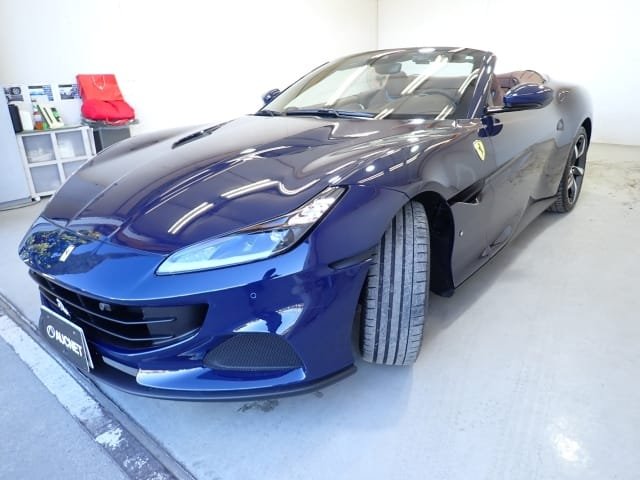
Why Japanese Cars Have Low Mileage and Excellent Condition
Strict Vehicle Inspections in Japan (Shaken – 車検)
- One of the main reasons Japanese cars remain in outstanding condition is the country’s mandatory vehicle inspection system, known as Shaken (車検). New vehicles undergo their first inspection after three years, followed by inspections every two years.
- Shaken inspections are extremely thorough and become increasingly expensive as a car ages. Even minor wear items can require replacement to pass, which often makes keeping an older vehicle financially unattractive. As a result, many owners choose to sell their cars early, while they are still mechanically sound and well maintained.
Increasing Taxes on Older Vehicles
- In addition to inspections, Japanese car owners face rising costs as vehicles age. These include:
Road tax (Jidōsha-zei / 自動車税)
Vehicle weight tax (Jidōsha Jūryō-zei / 自動車重量税)
- Older and higher-mileage vehicles are taxed more heavily, especially those with larger engines. This system encourages owners to replace their cars sooner, leading to a steady supply of low-mileage vehicles entering the Japanese auction market.
Cultural Preference for Newer Cars
- Japanese car ownership culture strongly favors newer vehicles. Many owners sell their cars once they approach 80,000–100,000 km, even if the vehicle remains in excellent working order.
- From a European perspective, this means cars imported from Japan often have mileage that would be considered unusually low for their age, especially compared to similar vehicles driven in Europe.
Environmental Regulations and Emissions Policies
- Japan enforces strict environmental standards. Older vehicles that produce higher emissions are subject to higher taxes and regulatory pressure, further reducing their appeal for domestic use.
- As a result, many well-maintained but older cars are exported instead of remaining on Japanese roads, making them ideal candidates for import to Europe.
Limited Parking and Urban Space
- Urban living conditions in Japan also contribute to faster vehicle turnover. Parking space is limited and expensive, and many households can only justify owning a single vehicle. Keeping an older or rarely used car is often impractical, which increases the number of high-quality vehicles entering the export market.
Left-Hand Drive (LHD) Cars from Japan — How Is It Possible?
- Although Japan drives on the left and right-hand drive (RHD) vehicles dominate the domestic market, left-hand drive cars are surprisingly common in Japanese auctions. This is particularly relevant for European buyers who require LHD vehicles for registration and daily use.
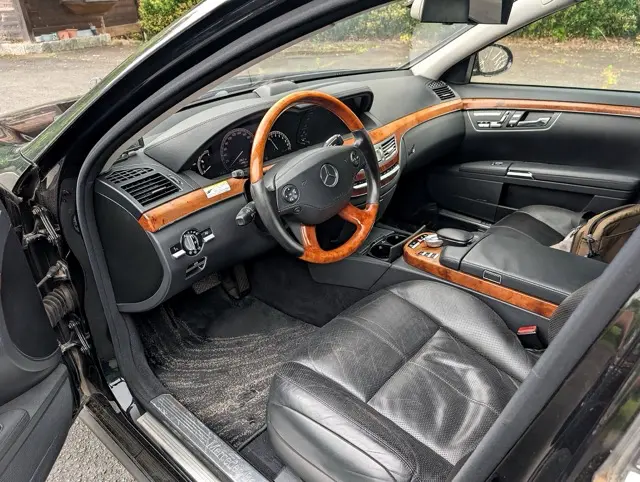
Limited Production and Special Models
When comparing global markets, Japan consistently stands out as one of the most reliable sources for importing cars to Europe due to:
- Low mileage for vehicle age
- Excellent mechanical condition
- Strict maintenance standards
- Availability of left-hand drive models
- Strong supply of premium and luxury vehicles
For European buyers looking for long-term ownership, reduced maintenance risk, and higher-quality used vehicles, Japanese imports offer a compelling advantage.
European Luxury Brands in Original LHD Configuration
- Luxury brands such as Mercedes-Benz, BMW, Audi, Porsche, and Rolls-Royce are highly desirable in Japan. Many buyers choose to keep these vehicles in their original left-hand drive configuration to preserve authenticity, driving feel, and resale value. These LHD vehicles are typically imported new into Japan and later resold through auctions, making them ideal for European import without conversion.
LHD as a Symbol of Status and Exclusivity
- In Japan, owning a left-hand drive vehicle is often seen as a symbol of sophistication and international prestige. LHD cars clearly stand out as imported, exclusive vehicles, which adds to their appeal among collectors and enthusiasts. This cultural perception further supports demand for LHD models and ensures their availability on the Japanese market.
Importing Cars from Japan to Europe — What to Expect
Importing a car from Japan involves several key stages, including vehicle sourcing, auction verification, inspections, export documentation, shipping, and customs clearance in Europe. When handled correctly, the process is transparent and secure, providing access to vehicles that are often unavailable or overpriced on the local market.
Understanding the reasons behind Japan’s vehicle turnover and inspection system helps explain why Japanese imported cars continue to gain popularity across Germany, Switzerland, the Netherlands, Austria, Belgium, and other European countries.

Final Thoughts
Japanese imported cars combine quality, reliability, and value in a way few markets can match. With low mileage, excellent condition, and access to left-hand drive models, Japan remains one of the best sourcing destinations for vehicles intended for the European market.
For buyers seeking confidence, transparency, and long-term ownership satisfaction, importing a car from Japan is not just an alternative — it is often the smarter choice.